
Tooth sensitivity can turn simple daily activities into uncomfortable experiences. Drinking a cold beverage, enjoying a hot meal, or even brushing your teeth may trigger a sudden sharp sensation. Many people experience this issue at some stage, and it often signals an underlying concern that needs attention. Visiting a dentist in Bundoora early can help identify the cause and prevent it from progressing into something more serious. At Greenwood Plenty Dental Care, patients receive personalised care to manage sensitivity and maintain long-term oral health.
Understanding the reasons behind sensitive teeth is the first step towards finding the right solution.
1.Worn Tooth Enamel
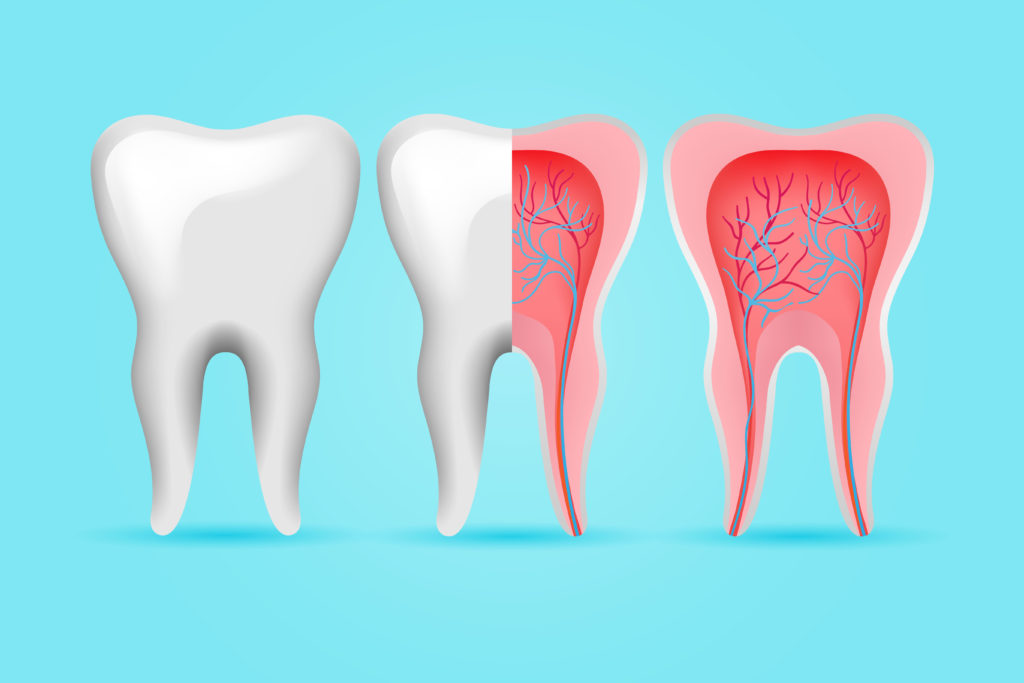
Enamel is the protective outer layer of your teeth. When it becomes thin or worn down, the underlying dentin becomes exposed. This dentin contains tiny tubules that connect to the nerve inside the tooth, making it easier for temperature changes to trigger discomfort.
Enamel wear can occur due to:
- Brushing too hard
- Using a hard-bristled toothbrush
- Frequent consumption of acidic foods and drinks
How to fix it:
Switch to a soft-bristled toothbrush and use gentle brushing techniques. A fluoride toothpaste designed for sensitive teeth can help strengthen enamel. Regular check-ups under general dentistry care can also monitor enamel health and prevent further damage.
2.Gum Recession
Gums protect the roots of your teeth. When gums recede, the root surface becomes exposed. Unlike enamel, the root does not have the same level of protection, making it highly sensitive to hot, cold, and sweet stimuli.
Gum recession can develop from:
- Gum disease
- Aggressive brushing
- Natural ageing
How to fix it:
Maintaining proper oral hygiene and attending regular dental visits can slow down gum recession. In some cases, specialised treatments or gum grafting may be recommended to protect exposed roots.
3.Tooth Decay or Cavities
Decay can create small holes in the tooth structure, allowing external triggers to reach the inner layers. Sensitivity from cavities may start mild but can worsen quickly if left untreated.
How to fix it:
Early treatment with fillings can stop the decay from spreading. If the decay reaches deeper layers of the tooth, more advanced procedures such as root canal treatment may be required to eliminate infection and preserve the tooth.
4.Teeth Grinding (Bruxism)
Grinding or clenching your teeth, especially during sleep, can gradually wear down enamel. This constant pressure can also lead to micro-cracks in the teeth, increasing sensitivity.
Many people are unaware they grind their teeth until symptoms appear, such as jaw pain or headaches.
How to fix it:
A custom mouthguard can protect your teeth from further wear. Managing stress and improving sleep habits can also reduce grinding. Regular dental assessments help detect early signs before severe damage occurs.
5.Recent Dental Procedures
Sensitivity can sometimes occur after certain dental treatments. Procedures like fillings, crowns, or even teeth whitening may temporarily affect the nerves inside your teeth.
This type of sensitivity is usually short-term and settles as the tooth adjusts.
How to fix it:
Use desensitising toothpaste and avoid extremely hot or cold foods for a few days. If discomfort continues, your dentist can assess whether further treatment is needed.
6.Cracked or Damaged Teeth
Cracks in teeth may not always be visible, but they can expose the inner layers and cause sharp pain when biting or consuming certain foods. A damaged tooth can worsen over time if not treated promptly.
How to fix it:
Depending on the severity, treatment may include bonding, crowns, or other restorative solutions. If the damage leads to infection, visiting an emergency dentist quickly can prevent complications and relieve pain.
7.Orthodontic and Alignment Issues
Misaligned teeth can create uneven pressure during chewing, which may contribute to enamel wear and sensitivity. Patients undergoing treatment with an orthodontist may also experience temporary sensitivity as teeth shift into new positions.
Braces and aligners can make cleaning more challenging, increasing the risk of plaque build-up.
How to fix it:
Maintaining excellent oral hygiene during orthodontic treatment is essential. Special cleaning tools such as interdental brushes can help remove plaque effectively. Sensitivity usually reduces as teeth settle into proper alignment.
Sensitivity in Children
Tooth sensitivity is not limited to adults. Children can also experience discomfort due to enamel issues, cavities, or newly erupting teeth. A visit to a kids dentist ensures early detection and appropriate care.
Encouraging children to brush correctly and attend regular dental visits helps prevent long-term problems.
Daily Habits That Help Reduce Sensitivity
Simple lifestyle adjustments can make a noticeable difference in managing tooth sensitivity:
- Use toothpaste formulated for sensitive teeth
- Avoid overly acidic foods and drinks
- Rinse your mouth with water after meals
- Maintain a consistent brushing and flossing routine
- Limit sugary snacks that contribute to decay
Hydration also plays an important role. Drinking water throughout the day helps wash away food particles and neutralise acids in the mouth.
When to Seek Professional Help
Persistent sensitivity should not be ignored. Pain that lasts for extended periods or worsens over time may indicate deeper issues such as infection or nerve involvement.
Professional assessment ensures accurate diagnosis and timely treatment. Ignoring symptoms can lead to more complex procedures later.
Regular dental visits allow early intervention, reducing the need for extensive treatments and helping maintain natural teeth.
Long Term Care for a Comfortable Smile
Tooth sensitivity can often be managed effectively with the right combination of home care and professional guidance. Preventive care remains the most reliable way to avoid recurring issues.
Routine dental check-ups, personalised advice, and consistent oral hygiene habits work together to protect enamel and gum health. Addressing small concerns early supports long-term comfort and confidence.
At Greenwood Plenty Dental Care, patients receive tailored care designed to identify the cause of sensitivity and provide effective solutions. Every treatment plan focuses on preserving natural teeth while ensuring comfort during everyday activities.
Take the First Step Towards Relief
Tooth sensitivity does not have to interfere with your daily life. Early care and the right guidance can restore comfort and protect your smile for years to come.
Greenwood Plenty Dental Care is here to support your oral health with professional, personalised treatment. To book an appointment, call (03) 9466 7843 and take the next step towards a healthier, pain-free smile.