Dental Emergency or Not? 10 Signs You Should See a Dentist Quickly

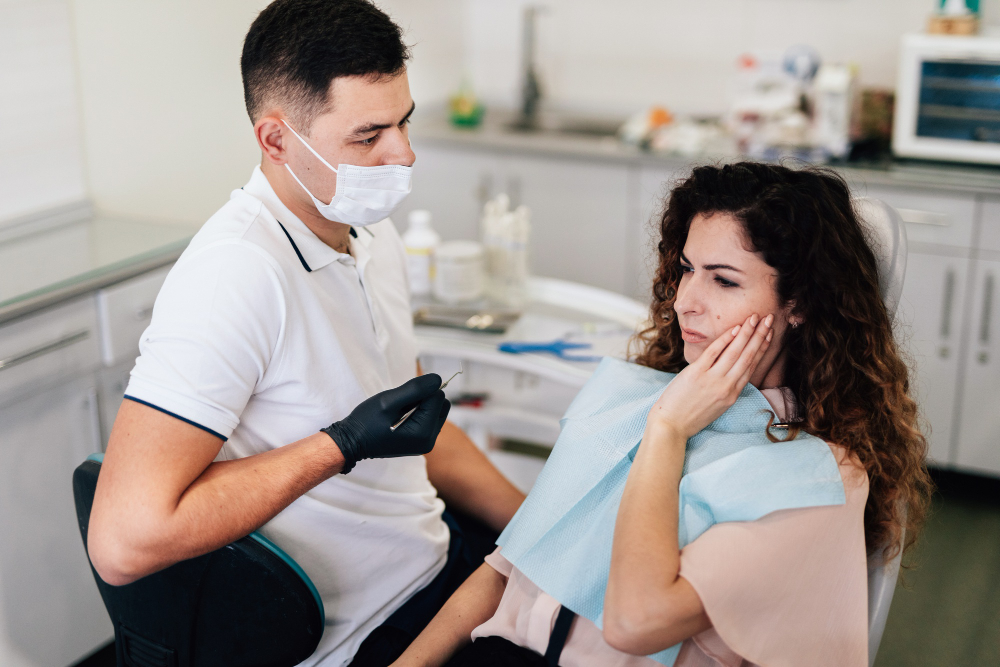
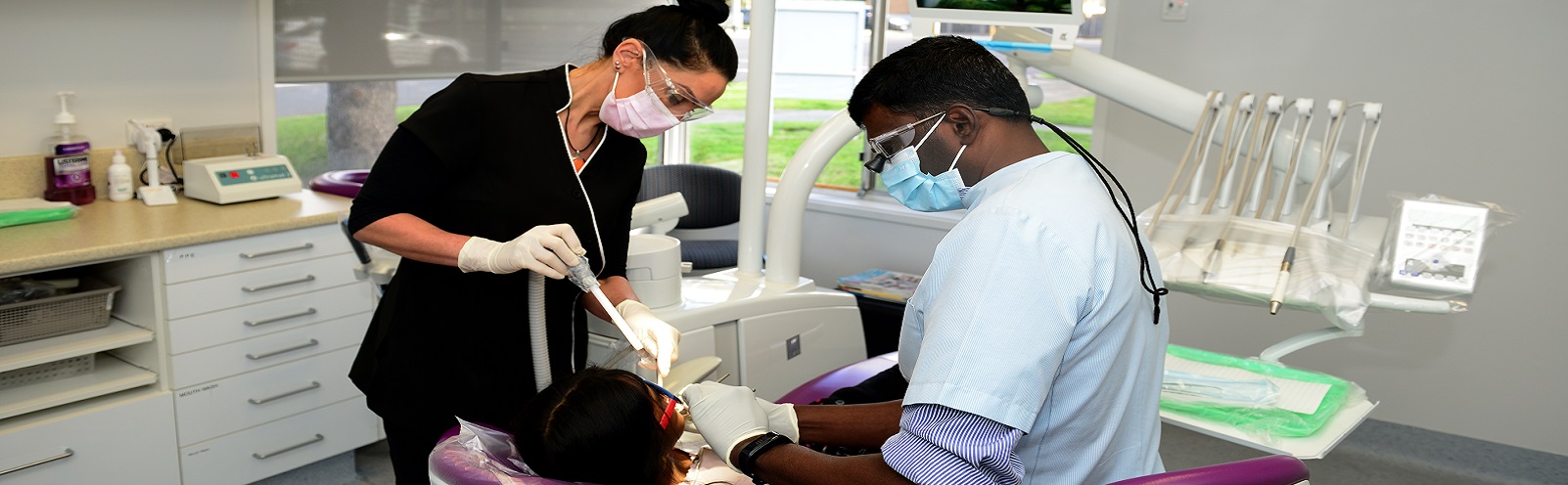
Dental pain can be easy to ignore, especially when it starts as a small ache or brief sensitivity. However, some symptoms need prompt attention before they become more serious. Seeing a dentist in Bundoora patients can access quickly may help identify the cause early. General dentistry also plays an important role in detecting problems before they develop into urgent concerns requiring an Emergency Dentist.

Knowing which symptoms need fast dental care can help you protect your teeth, gums and overall oral health. Some problems can wait for a routine appointment, while others should be assessed as soon as possible.

Here are 10 signs that indicate you should arrange a dental appointment quickly.

1. Severe or Persistent Toothache

A toothache that continues for several hours, returns repeatedly or becomes more painful should not be ignored.

Dental pain can have many causes. Decay may have reached deeper layers of the tooth, a filling may have failed, the tooth may be cracked, or an infection could be developing. Pain that worsens when biting or chewing can also indicate inflammation around the tooth.

Painkillers may temporarily reduce discomfort, but they do not treat the underlying dental problem.

Arrange an appointment when pain continues rather than waiting for it to disappear. Early assessment gives your dentist a better opportunity to determine what is happening and recommend an appropriate treatment.

Severe toothache accompanied by swelling, fever or difficulty swallowing requires particularly prompt attention.

2. A Broken, Cracked or Chipped Tooth

Teeth are strong, but they can still break from accidents, biting hard foods, teeth grinding or existing decay.

A small chip may seem mainly cosmetic, but deeper fractures can expose sensitive layers inside the tooth. This may lead to sensitivity, pain or an increased risk of infection.

Avoid chewing on the affected side until the tooth has been assessed. Sharp edges can also irritate your tongue or cheek.

Dentists have different ways of repairing damaged teeth depending on the extent of the fracture. Minor damage may require a restoration, while larger fractures may need more extensive treatment.

Prompt care can sometimes prevent a damaged tooth from becoming more difficult to restore.

3. Swelling Around the Tooth, Gum or Face

Swelling should always be taken seriously because it can be associated with infection or inflammation.

You may notice a swollen gum beside a particular tooth, a lump that feels tender, or swelling extending into the cheek or jaw. Some infections also produce an unpleasant taste or discharge around the affected area.

A dental infection does not usually resolve permanently without appropriate treatment.

When swelling develops rapidly, spreads towards the eye or neck, or occurs with difficulty breathing or swallowing, seek urgent medical attention rather than waiting for a routine dental appointment.

For localised dental swelling, arrange a dental assessment promptly so the source of the problem can be identified.

4. A Tooth Has Been Knocked Out

A knocked-out adult tooth is one of the clearest dental emergencies.

Quick action can improve the possibility of saving the tooth. Handle it carefully by the crown rather than the root. If it is dirty, gently rinse it without scrubbing or removing attached tissue.

When possible, the tooth may be placed back into its socket carefully. If this cannot be done, keep it moist in milk or another suitable tooth-preservation solution while travelling for dental care.

Do not place a knocked-out baby tooth back into the socket, as this could affect the developing adult tooth underneath.

Time matters significantly in this situation, so contact a dental clinic immediately.

5. Bleeding Gums That Do Not Settle

A small amount of bleeding while brushing can sometimes occur due to irritated or inflamed gums. Frequent or excessive bleeding, however, deserves attention.

Gum disease often begins quietly. Early signs may include bleeding during brushing, swollen gums, persistent bad breath or tenderness around the gumline.

As gum disease progresses, the gums can pull away from the teeth, creating spaces where bacteria accumulate. Advanced gum problems may eventually affect the bone supporting the teeth.

Regular brushing and flossing are important, but professional assessment may be needed when bleeding continues despite good oral hygiene.

Persistent unexplained bleeding elsewhere in the mouth should also be discussed with a dental professional.

6. Strong Sensitivity That Appears Suddenly

A brief reaction to very cold food can happen from time to time, but sudden or intense sensitivity may indicate an underlying issue.

Sensitivity can occur when enamel becomes worn, gums recede or decay develops. Cracks and damaged fillings can also expose sensitive parts of the tooth.

Pay attention to how long the discomfort lasts.

Pain that disappears immediately after the hot or cold stimulus is removed may have a different cause from pain that continues for several minutes. Lingering sensitivity can indicate inflammation deeper inside the tooth.

A dentist can examine the tooth, assess the cause and determine whether simple preventive care or further treatment is needed.

7. Pain When Biting or Chewing

Chewing should not normally cause sharp dental pain.

Discomfort when biting can result from a crack in the tooth, an infection around the root, decay beneath an existing restoration, or a filling that is affecting the bite.

The location of the pain is also useful information. Some people can identify one specific tooth, while others feel discomfort across part of the jaw.

Avoid repeatedly testing the painful tooth by biting hard foods. Continuing to place pressure on a damaged tooth can make some fractures worse.

Prompt assessment can help determine whether the problem involves the tooth surface, nerve, surrounding gum or supporting structures.

In some cases, root canal treatment may be considered when the dental pulp has become infected or severely inflamed.

8. A Lost Filling, Crown or Dental Restoration

A missing filling or crown may not always cause immediate pain, but the exposed tooth can become vulnerable.

Food can become trapped in the space, the tooth may feel sensitive, and the remaining structure can fracture under chewing pressure.

Avoid very hard or sticky foods around the affected area until you can see a dentist. Keeping the area clean can also help reduce irritation.

Never use household glue to reattach a crown.

Dental restorations are designed to protect damaged teeth and restore normal function. When one becomes loose or falls out, arranging treatment early can help reduce the risk of additional tooth damage.

9. Jaw Pain, Difficulty Opening the Mouth or Wisdom Tooth Problems

Jaw discomfort can come from several sources, including teeth grinding, jaw-joint problems, dental infections and wisdom teeth.

Partially erupted wisdom teeth can sometimes create areas where food and bacteria become trapped. This may lead to swelling, tenderness, an unpleasant taste or difficulty opening the mouth comfortably.

Pain around the back of the jaw may also spread towards the ear or neighbouring teeth.

Persistent jaw problems require proper assessment because symptoms alone cannot always reveal the cause.

Alignment and bite concerns may sometimes involve assessment by an orthodontist, particularly when tooth position contributes to functional problems. Other cases may require general dental treatment, wisdom tooth management or investigation of the jaw joint.

10. Dental Pain or Injury in a Child

Children may not always be able to describe dental pain clearly.

Changes in eating habits, avoiding one side of the mouth, waking at night, facial swelling or suddenly refusing to brush can all indicate discomfort.

A fall or sporting accident should also be checked carefully, even when the tooth appears intact. Trauma can sometimes damage the root or surrounding tissues without immediately changing the appearance of the tooth.

A Kids dentist can assess the teeth and surrounding areas while considering the child’s stage of dental development.

Parents should also seek prompt advice when a child’s tooth becomes dark after an injury, swelling develops around a tooth or pain continues for more than a short period.

When Dental Symptoms Can Usually Wait for a Routine Appointment

Not every dental concern is an emergency.

Minor staining, gradual cosmetic changes and long-standing issues that are not causing pain can generally be discussed during a scheduled appointment.

For example, people considering teeth whitening usually do not need urgent dental care unless the colour change occurs suddenly in one particular tooth or follows an injury.

Other non-urgent concerns may include mild tooth crowding, questions about oral hygiene products or discussing future cosmetic treatment.

Even when a concern is not urgent, it is still useful to mention it at your next appointment. Small changes can occasionally provide early clues about dental problems.

What to Do While Waiting for Your Dental Appointment

Simple steps can help protect the affected area until you reach the clinic.

Gently rinse your mouth with lukewarm water and keep the area as clean as possible. Avoid chewing hard foods on a damaged tooth and avoid very hot or cold foods if the area is sensitive.

A cold compress placed against the outside of the face may help with swelling following an injury.

Follow the directions on any over-the-counter pain medication you normally use and check with a pharmacist or healthcare professional if you are unsure whether it is suitable for you.

Do not place aspirin directly against a painful tooth or gum, as it can irritate the soft tissues.

For significant swelling, breathing difficulties, uncontrolled bleeding, serious facial trauma or other potentially life-threatening symptoms, seek urgent medical care.

Why Acting Early Can Make Dental Treatment Simpler

Dental conditions often become more complicated when they are left untreated.

A small area of decay may initially need a simple restoration. Once decay reaches deeper into the tooth, treatment can become more involved. Likewise, a minor crack can sometimes grow if the tooth continues to absorb heavy chewing pressure.

Early dental care is also important for infections. Bacteria can spread beyond the original tooth and affect surrounding tissues.

Routine dental appointments help reduce this risk because dentists can identify changes before noticeable symptoms develop.

Keeping regular check-ups alongside daily brushing and flossing remains one of the simplest ways to protect your oral health.

Know When to Contact Your Dentist

Listening to changes in your mouth can help you recognise when professional care is needed.

Ongoing pain, swelling, broken teeth, dental injuries, bleeding gums and difficulty chewing should not be dismissed simply because the symptoms seem manageable at first. Getting the problem assessed early can clarify what is happening and help prevent avoidable complications.

Greenwood Plenty Dental Care provides a broad range of dental services for patients in Bundoora and surrounding areas, including routine care and appointments for urgent dental concerns. The clinic also states that emergency appointments are available daily.

For dental pain, injury or another concern that requires prompt attention, contact Greenwood Plenty Dental Care on (03) 9466 7843 to discuss an appointment.

Toothache That Won’t Go Away? 7 Signs You Need an Emergency Dentist in Bundoora

A toothache can begin as mild discomfort and quickly turn into pain that affects eating, sleeping and everyday activities. While some sensitivity may settle, ongoing dental pain should never be ignored. Visiting a dentist in Bundoora patients can turn to for timely care can help identify the cause before the problem becomes more serious. At Greenwood Plenty Dental Care, General dentistry services include assessing dental concerns and recommending suitable treatment based on the condition of your teeth and gums.

Dental pain can have many causes, including decay, infection, damaged fillings, cracked teeth and injuries. Recognising the warning signs can help you understand when a routine appointment may not be enough.

Here are seven signs that your toothache may need urgent dental attention.

1. Your Toothache Is Severe or Constant

A mild toothache that appears occasionally can still require a dental examination, but severe or persistent pain deserves prompt attention.

Constant pain may indicate that decay or damage has reached the sensitive inner layers of the tooth. Some people experience throbbing pain, while others notice sharp discomfort when biting or chewing.

Pain can also become stronger at night, making it difficult to sleep.

Taking pain relief may temporarily reduce discomfort, but it does not address the underlying cause. A dental examination can identify whether the problem is related to decay, a crack, infection or another oral health condition.

Seeking care early may also provide more treatment options for preserving the natural tooth.

2. Your Face or Gums Are Swollen

Swelling around a painful tooth can indicate an infection or inflammation.

You may notice swelling:

  • Around the gums
  • Along the jaw
  • Inside the cheek
  • On one side of the face
  • Near a damaged or decayed tooth

A small lump on the gum near a painful tooth can also be associated with a dental infection.

Swelling should not be ignored, particularly when it is increasing or accompanied by significant pain. Dental infections can sometimes spread beyond the affected tooth.

An emergency dentist can assess the source of the swelling and determine the appropriate next steps. Significant facial swelling, difficulty swallowing or difficulty breathing requires urgent medical attention.

3. You Have Extreme Sensitivity to Hot and Cold

Many people experience occasional tooth sensitivity. A brief sensation after eating ice cream or drinking something hot is not always a dental emergency.

Sensitivity becomes more concerning when the pain is intense or continues after the hot or cold item has been removed.

Lingering sensitivity can sometimes indicate deeper tooth damage. Decay, cracks, worn enamel and problems affecting the tooth’s pulp can all contribute to sensitivity.

It is useful to pay attention to how long the discomfort lasts and whether it is becoming more frequent.

A dentist can examine the affected tooth and use diagnostic tools, including dental X-rays when appropriate, to understand what is happening beneath the surface.

4. You Notice Pus, a Bad Taste or Signs of Infection

An unpleasant taste in the mouth combined with tooth pain can be a warning sign of infection. Some patients may also notice pus or a small raised area on the gum.

Dental infections can develop when bacteria enter the inner part of a tooth through decay, cracks or trauma.

Other possible signs include:

  • Persistent bad breath
  • Tender or swollen gums
  • Throbbing dental pain
  • Pain when chewing
  • Fever or feeling unwell
  • Swelling near the affected tooth

Dental infections require professional assessment rather than relying solely on home remedies.

Depending on the cause and condition of the tooth, root canal treatment may sometimes be recommended to remove infected tissue from inside the tooth and help preserve it. Other situations may require a different approach, so an examination is important before deciding on treatment.

5. Your Tooth Is Cracked, Broken or Knocked Out

Accidents can happen at home, at work, during sport or while eating. A cracked or broken tooth can expose sensitive areas and make the tooth vulnerable to further damage.

Even a fracture that initially appears small should be assessed, particularly when it causes pain.

A knocked-out permanent tooth requires particularly fast action. Handle it carefully by the crown rather than the root. If it is dirty, gently rinse it without scrubbing. If possible, place it back into its socket. If this cannot be done, keep the tooth moist in milk and seek immediate dental assistance.

A baby tooth that has been knocked out should not normally be placed back into its socket, as this could affect the developing permanent tooth.

Dental injuries in children should be professionally assessed. A kids dentist can evaluate the injury and check surrounding teeth, gums and developing oral structures.

6. It Hurts When You Bite or Chew

Pain when biting down is another symptom that deserves attention.

The discomfort may be associated with a cracked tooth, decay, an infection, a loose filling or changes in the way the teeth meet. Sometimes the tooth feels normal until pressure is applied.

Avoid chewing hard foods on the affected side until the tooth has been examined. Continued pressure on a damaged tooth can potentially make a crack or fracture worse.

Soft foods can be easier to manage while waiting for an appointment. Keeping the area clean is also important, although aggressive brushing around a painful tooth should be avoided.

Patients undergoing orthodontic care may occasionally experience discomfort related to appliances, but severe or unusual pain should still be assessed. An orthodontist may need to review problems involving braces, aligners or other orthodontic appliances.

7. The Pain Keeps Returning

Dental pain that disappears and then returns can be easy to dismiss. Recurring pain, however, may indicate an unresolved problem.

A cavity can gradually become deeper. A small crack may become larger. An infection can also change over time, sometimes causing periods of intense discomfort followed by temporary relief.

A sudden reduction in severe tooth pain does not necessarily mean the tooth has healed. In some cases, changes to the nerve inside the tooth can cause pain to decrease even though the underlying problem remains.

Recurring discomfort is a good reason to arrange an examination rather than waiting for the next painful episode.

Common Causes of Persistent Toothache

Understanding the possible causes of tooth pain can make it easier to recognise the importance of professional assessment.

Tooth Decay

Decay can begin without obvious symptoms. As it progresses into deeper layers of the tooth, sensitivity and pain may develop.

Cracked Teeth

Cracks can result from accidents, grinding, biting hard foods or normal wear over time. Some cracks are difficult to see without a professional examination.

Gum Problems

Inflamed or infected gums can cause tenderness around teeth and may sometimes feel similar to toothache.

Damaged Fillings

Older or damaged restorations can expose sensitive areas of the tooth and allow bacteria to enter.

Dental Abscesses

An abscess is an infection that can cause significant pain, swelling and tenderness. Prompt professional care is important.

Teeth Grinding

Grinding and clenching can place considerable pressure on teeth and jaw muscles. Over time, this may contribute to sensitivity, fractures or jaw discomfort.

What Can You Do While Waiting for Your Dental Appointment?

Home care cannot cure serious dental problems, but a few simple measures may make you more comfortable while waiting for professional treatment.

Gently rinse your mouth with warm salty water to help keep the area clean. Continue brushing carefully and remove trapped food from around the affected tooth where possible.

A cold compress placed against the outside of the cheek may help with discomfort following an injury or where there is localised swelling.

Over-the-counter pain relief may be suitable for some people when used according to the product directions and advice from a pharmacist or healthcare professional. Avoid placing aspirin directly against the tooth or gums, as this can irritate the tissues.

Very hot, cold, hard and sugary foods may increase discomfort, so softer foods at a moderate temperature can be easier to eat.

When Dental Pain Needs Medical Emergency Care

Some situations go beyond a dental emergency and require urgent medical attention.

Seek emergency medical care if facial or oral swelling is affecting your ability to breathe or swallow. Serious facial trauma, uncontrolled bleeding or symptoms of a severe spreading infection also require urgent medical assessment.

Dental problems can affect more than comfort, so it is important to respond appropriately when symptoms become severe.

Can Regular Dental Visits Help Prevent Toothache?

Many causes of toothache develop gradually. Routine examinations allow dental professionals to identify changes before they become painful emergencies.

Small areas of decay can often be managed before they progress deeper into the tooth. Existing fillings can be checked for wear or damage, and gum health can be monitored.

Preventive dental care also provides an opportunity to discuss brushing, flossing, diet and other habits that influence oral health.

Cosmetic services such as teeth whitening can improve the appearance of suitable teeth, but healthy teeth and gums should always form the foundation of any smile-related treatment plan.

Never Ignore Persistent Tooth Pain

A toothache is your body’s way of indicating that something may need attention. The cause could be relatively straightforward, or it could involve deeper damage or infection.

Waiting for severe pain to disappear on its own can allow some dental conditions to progress. Earlier assessment provides an opportunity to identify the cause, manage discomfort and discuss suitable treatment options.

Keeping track of symptoms can also be helpful. Note when the pain started, where it is located, what triggers it and whether swelling or sensitivity is present. This information can assist your dental team during an examination.

A toothache that will not go away deserves professional attention. Severe pain, facial swelling, lingering sensitivity, signs of infection, broken teeth, pain when chewing and recurring discomfort can all indicate that urgent dental care is needed.

Prompt assessment can help relieve discomfort while reducing the risk of further damage. Maintaining regular check-ups alongside good oral hygiene can also help identify developing dental problems before they turn into emergencies.

At Greenwood Plenty Dental Care, patients can receive personalised dental care based on their individual oral health needs. If persistent tooth pain, swelling or a dental injury is causing concern, arranging an appointment early can help determine the cause and the most appropriate treatment.

Call (03) 9466 7843 to book an appointment and get professional advice for your dental concern.

What Is Considered a Dental Emergency? A Dentist Explains

Dental problems can happen without warning and often cause pain, discomfort, and stress. While some issues can wait for a routine appointment, others require immediate attention to prevent further damage or serious complications. Understanding the difference between an urgent dental problem and a non-urgent one can help you take the right action at the right time.

Many people visit a dentist in Bundoora clinic unsure whether their situation requires urgent treatment. At Greenwood Plenty Dental Care, patients are often surprised to learn that dental emergencies involve more than severe toothaches. Prompt care can protect teeth, reduce pain, and support better long-term oral health.

Understanding Dental Emergencies

A dental emergency is any oral health issue that requires immediate professional attention to relieve pain, stop bleeding, treat infection, or save a tooth. Some emergencies develop suddenly following an accident, while others progress over time and become urgent if left untreated.

Recognising the signs of a dental emergency allows patients to seek care before the condition worsens.

Severe Tooth Pain

Persistent or intense tooth pain is one of the most common reasons people seek urgent dental care. Toothaches can result from deep decay, infection, cracked teeth, damaged fillings, or gum problems.

Pain that interferes with eating, sleeping, or daily activities should not be ignored. Even if discomfort comes and goes, an underlying issue may still require treatment.

Knocked-Out Teeth

A knocked-out tooth is considered a genuine dental emergency. Acting quickly improves the chances of saving the tooth.

If a permanent tooth is knocked out:

  • Hold the tooth by the crown rather than the root.
  • Gently rinse it with water if dirty.
  • Place it back into the socket if possible.
  • Keep it moist in milk or saliva if reinsertion is not possible.
  • Seek professional dental care immediately.

Fast action can make a significant difference to the outcome.

Broken, Cracked, or Chipped Teeth

Not every chipped tooth is an emergency, but larger fractures often require immediate treatment. Cracks can expose sensitive inner tooth structures and increase the risk of infection.

A damaged tooth may cause:

  • Sharp pain when chewing
  • Sensitivity to hot or cold foods
  • Bleeding around the affected area
  • Swelling of nearby tissues

Prompt treatment helps prevent further damage and preserves the tooth whenever possible.

Uncontrolled Bleeding

Bleeding in the mouth following an injury should be monitored carefully. Minor bleeding may stop with gentle pressure, but persistent bleeding requires urgent attention.

Excessive bleeding can occur after trauma, dental procedures, or accidents involving the mouth and jaw. Professional assessment helps determine the source and severity of the issue.

Dental Abscesses and Infections

A dental abscess is a serious infection that develops around the tooth or gum tissue. These infections can spread if left untreated and may affect overall health.

Common symptoms include:

  • Severe throbbing pain
  • Swelling of the face or gums
  • Sensitivity to pressure
  • Fever
  • A bad taste in the mouth

Treatment may involve draining the infection and, in some cases, a root canal treatment to save the affected tooth.

Facial Swelling

Swelling around the jaw, cheek, or gums can indicate infection or trauma. Any swelling that develops rapidly or affects breathing and swallowing requires urgent medical attention.

Even mild swelling should be assessed promptly, particularly when accompanied by pain or fever.

Lost Fillings and Crowns

A lost filling or crown is not always an immediate emergency, but treatment should not be delayed for long. Without protection, the affected tooth becomes vulnerable to further damage and sensitivity.

Temporary measures may help reduce discomfort until a dental appointment is available.

Orthodontic Emergencies

Patients undergoing treatment with braces or aligners may occasionally experience orthodontic issues. Broken wires, loose brackets, or damaged appliances can cause discomfort and affect treatment progress.

An orthodontist can assess the problem and provide the necessary repairs to keep treatment on track.

Dental Emergencies in Children

Children are naturally active and occasionally experience dental injuries during sports, play, or accidents.

Common paediatric dental emergencies include:

  • Knocked-out teeth
  • Broken teeth
  • Soft tissue injuries
  • Severe toothaches

Prompt assessment by a Kids dentist helps minimise complications and supports healthy dental development.

Soft Tissue Injuries

Cuts or injuries to the lips, cheeks, tongue, or gums can result in significant bleeding. While many minor injuries heal naturally, deeper wounds may require professional treatment.

Cleaning the area and applying gentle pressure can help manage bleeding while seeking care.

Jaw Injuries

Trauma involving the jaw can affect speaking, eating, and overall comfort. Symptoms may include pain, swelling, difficulty opening the mouth, or changes in the bite.

Jaw injuries should be assessed promptly to determine whether fractures or joint damage are present.

Signs That Require Immediate Attention

Certain symptoms indicate that urgent dental care is necessary:

  • Severe, ongoing tooth pain
  • Significant swelling
  • Persistent bleeding
  • A knocked-out permanent tooth
  • Signs of infection
  • Trauma affecting the teeth or jaw

Seeking treatment early often leads to better outcomes and reduces the likelihood of complications.

When a Dental Problem Can Wait

Not every dental issue requires same-day treatment. Minor chips, small cavities, mild sensitivity, or occasional discomfort may be addressed during a scheduled appointment.

Regular visits for general dentistry help identify and manage many problems before they become emergencies.

Preventing Dental Emergencies

While accidents cannot always be avoided, several habits can reduce the risk of dental emergencies:

Maintain Regular Dental Check-Ups

Routine examinations help identify potential issues early and support ongoing oral health.

Wear a Mouthguard During Sports

Protective mouthguards reduce the risk of dental injuries during contact sports and recreational activities.

Avoid Using Teeth as Tools

Opening packages or biting hard objects with teeth can lead to fractures and damage.

Practise Good Oral Hygiene

Brushing, flossing, and maintaining healthy habits help prevent decay and infection.

Address Dental Problems Early

Small issues are often easier and less costly to treat before they become serious.

The Importance of Quick Action

Time plays a significant role in many dental emergencies. Delaying treatment can allow infections to spread, increase pain, and reduce the chances of saving a damaged tooth.

An experienced emergency dentist can assess the issue, relieve discomfort, and provide the most appropriate treatment to protect your oral health.

Maintaining a Healthy Smile

A healthy smile depends on both preventive care and timely treatment when problems arise. Many patients focus on improving appearance through treatments such as teeth whitening, but maintaining strong, healthy teeth remains the foundation of long-term oral wellbeing.

Regular dental care, healthy habits, and early intervention all contribute to reducing the likelihood of urgent dental issues.

Dental emergencies can range from severe toothaches and infections to broken teeth and traumatic injuries. Understanding what qualifies as an emergency allows patients to act quickly and seek the care they need before complications develop.

At Greenwood Plenty Dental Care, patients receive personalised care designed to address urgent dental concerns efficiently and effectively. Knowing when to seek professional attention can make a significant difference in protecting your smile, relieving discomfort, and supporting long-term oral health.

Dental pain and injuries should never be ignored. If you are experiencing a dental emergency or have concerns about your oral health, contact Greenwood Plenty Dental Care on (03) 9466 7843 to arrange prompt professional care and protect your smile.

How Often Should You Get a Scale & Clean? A Dentist’s Answer

Regular dental care plays a vital role in maintaining a healthy smile. While brushing and flossing at home are essential, they are not enough to keep plaque and tartar completely under control. Visiting your dentist in Bundoora for a professional scale and clean helps remove build-up in areas you can’t reach and prevents long-term dental issues. At Greenwood Plenty Dental Care, we recommend a tailored approach to how often you should get this treatment based on your oral health needs.

What Is a Scale & Clean?

A scale and clean is a preventive dental treatment designed to remove plaque and tartar from the teeth. Over time, even with daily brushing and flossing, plaque hardens into tartar (also known as calculus), which can’t be removed by a toothbrush. This hardened substance can lead to gum disease, tooth decay, and bad breath if left untreated.

The process involves two key steps:

  • Scaling: Removing tartar and plaque from the tooth surface and below the gum line using specialised tools.
  • Polishing: Smoothing the tooth surface to make it more difficult for plaque to build up again and to leave your teeth feeling fresh and clean.

How Often Should You Get a Scale & Clean?

For most people, visiting the dentist every six months for a scale and clean is ideal. This interval helps keep plaque build-up under control and allows early detection of any potential issues.

However, frequency can vary depending on individual needs. For example:

  • Patients with a history of gum disease may need to visit every 3–4 months.
  • Those with braces or orthodontic appliances might require more frequent cleans to maintain oral hygiene.
  • Smokers and patients with diabetes are at higher risk of gum disease and may also benefit from more frequent care.

During your routine check-up, your general dentistry provider will assess your oral health and recommend a schedule that suits you best.

Why Is It Important?

Regular professional cleaning is not just about aesthetics—it’s about long-term health.

  • Prevents gum disease: Scaling removes bacteria that cause inflammation and gum infection.
  • Protects tooth enamel: Tartar can lead to decay if not removed, resulting in cavities.
  • Fresher breath: Removing plaque and bacteria helps eliminate odours.
  • Early detection of issues: During the check-up, your dentist can identify any concerns such as early signs of decay, cracks, or potential need for a root canal treatment.

Scale & Clean for Children

Children also benefit greatly from regular cleaning. Introducing dental visits early helps establish healthy habits and reduces dental anxiety over time. A visit to the kids dentist every six months is usually recommended, depending on the child’s oral development and risk of decay.

The process for children is gentle and often includes additional preventive care like fluoride treatment or fissure sealants to protect young teeth from cavities.

Emergency Dental Situations and Hygiene

Skipping routine cleans can sometimes lead to infections or sudden pain, which may result in a visit to an emergency dentist. Gum infections and deep decay are often preventable with regular professional cleaning.

If you experience bleeding gums, bad breath, or sensitivity, it’s best to schedule a visit sooner rather than wait for your next routine appointment.

During Orthodontic Treatment

Patients undergoing orthodontic care, such as those treated by an orthodontist, should be especially mindful of their cleaning schedule. Braces, wires, and clear aligners can trap food and plaque more easily, increasing the risk of decay and gum issues.

Professional cleaning during orthodontic treatment supports better outcomes by keeping teeth and gums in good condition throughout the process.

Can You Pair It with Teeth Whitening?

If you’re considering teeth whitening, it’s recommended to have a professional clean first. A clean surface helps whitening treatments work more effectively and evenly. Your dentist will advise on the best timing and whether your oral health is in good condition for cosmetic treatment.

Making Oral Health a Priority

Maintaining good oral hygiene is a partnership between you and your dental team. Daily care at home—brushing twice a day, flossing, and limiting sugary snacks—combined with professional care, ensures your teeth and gums stay healthy for years to come.

Scheduling your regular scale and clean also provides peace of mind, knowing that any potential issues are caught early. If you’re searching for a reliable dentist near me, we’re here to support your smile every step of the way.

Book Your Next Scale & Clean in Bundoora

At Greenwood Plenty Dental Care, our experienced team is here to make your scale and clean appointment comfortable, effective, and personalised. Whether it’s your routine check-up or your first visit, we’ll guide you with honest advice and high-quality care.

Call us today on (03) 9466 7843 to schedule your appointment and take a positive step towards long-term oral health with a dental team you can trust. Greenwood Plenty Dental Care welcomes patients of all ages across Bundoora and surrounding suburbs.

How to Prevent Tooth Decay: Expert Advice from a Bundoora Dental Clinic

Tooth decay is one of the most common dental problems affecting people of all ages. Left untreated, it can lead to pain, infections, and eventually tooth loss. Fortunately, tooth decay is largely preventable with the right knowledge, daily habits, and professional care. At Greenwood Plenty Dental Care, we help patients maintain strong and healthy smiles with personalised treatment and preventive guidance. Whether you’re looking for a dentist in Bundoora or searching for a reliable dentist near me, learning how to prevent decay is an essential first step.

Understanding Tooth Decay

Tooth decay, or dental caries, occurs when the enamel (outer layer of the tooth) is worn down by acids produced by bacteria in plaque. These bacteria feed on sugars from food and drinks, creating acid that slowly dissolves enamel and exposes the inner tooth structure. If not treated early, decay can progress to the nerve of the tooth, requiring more advanced care like root canal treatment.

Brush Twice a Day, the Right Way

Brushing is your first defence against plaque build-up. Use a fluoride toothpaste and a soft-bristled toothbrush to gently clean all surfaces of your teeth. Brush at least twice a day—morning and night—for two full minutes each time. Pay attention to your gumline and make sure you’re not brushing too hard, as this can wear down enamel.

For younger patients, a kids dentist can show children and parents how to brush effectively based on age and dental development. Starting these habits early plays a major role in long-term oral health.

Don’t Skip Flossing

Brushing alone doesn’t remove plaque and food debris between teeth. Daily flossing is essential to clean these hard-to-reach areas. It also helps reduce the risk of gum disease and interproximal decay, which can occur between the teeth.

Those with braces or orthodontic appliances can use floss threaders or water flossers, especially if under the care of an orthodontist. Cleaning around brackets and wires is crucial during orthodontic treatment.

Choose Tooth-Friendly Foods and Drinks

What you eat plays a significant role in preventing decay. Limit sugary snacks, lollies, soft drinks, and acidic juices, as these can feed harmful bacteria and erode enamel. Instead, choose teeth-friendly foods like:

  • Crunchy vegetables (carrots, celery)
  • Cheese and dairy for calcium
  • Whole grains and fibrous fruits

Drinking water after meals or snacks helps rinse away sugars and neutralise acids. It’s also helpful to chew sugar-free gum, which boosts saliva flow and aids in remineralising enamel.

Schedule Regular Dental Check-Ups

Professional check-ups and cleans are an essential part of general dentistry. During your appointment, your dentist will check for early signs of decay, remove hardened plaque (tartar), and apply preventive treatments like fluoride or fissure sealants.

These visits are not only important for adults, but also for children and teens. Seeing your dentist every six months keeps small problems from becoming big ones. For anyone with specific dental concerns or past treatments, your schedule might include more frequent visits.

Act Fast in Dental Emergencies

Tooth decay that suddenly causes severe pain or swelling may require urgent attention. Visiting an emergency dentist can prevent the need for extractions and stop the spread of infection. Fast treatment is especially important if the decay has reached the pulp of the tooth, potentially requiring root canal therapy.

Consider Preventive & Cosmetic Enhancements

In some cases, addressing minor flaws or weak spots early can help prevent decay and improve appearance. Options like dental sealants, enamel-strengthening treatments, or teeth whitening (once your teeth are healthy) can support both function and confidence.

Cosmetic treatments are always best performed after a complete check-up to ensure the underlying teeth are in good condition.

Tailored Dental Advice for All Ages

Every patient is different. Whether you’re a busy adult managing diet and stress, a parent supporting your child’s first dental visits, or an adult considering orthodontic care—individualised advice is key. A trusted dentist near me will offer realistic tips you can stick to and monitor your progress over time.

At Greenwood Plenty Dental Care, we take a holistic approach to prevention, blending professional treatments with education and lifestyle support. From early childhood through to senior years, we’re here to guide you at every stage.

Greenwood Plenty Dental Care offers expert dental care focused on prevention, comfort, and results. To schedule a consultation or routine visit with our friendly team in Bundoora, call (03) 9466 7843 today. Protect your smile today and reduce your risk of decay tomorrow.

Is Invisalign The Best Solution For All TMJ Disorders?

While Invisalign can sometimes be helpful for TMJ disorders, it’s not necessarily the best solution in all cases. Before you jump into Invisalign as a potential solution for your TMJ pain, it’s crucial to understand the basis of this condition and explore all available treatment options. At Greenwood Plenty Dental Care  your trusted dentist in Bundoora, we provide complete care for TMJ disorders to address your unique needs. In today’s blog post, we will tell you the relationship between Invisalign and TMJ to help you make the best decision for your oral health.

What Is A TMJ Disorder?

Temporomandibular Joint disorder is a condition that affects the temporomandibular joint (TMJ), which connects your jaw to your skull. This joint is responsible for allowing you to open and close your mouth, chew, and speak.

Symptoms Of TMJ Disorders

Pain is a common complaint, felt in the jaw, face, temples, or even the neck. A clicking or popping sound in the jaw when opening or closing the mouth is another sign. Individuals may also experience difficulty opening their mouth wide or even locking, where the jaw gets stuck in either a closed or open position. Headaches, particularly in the temples or behind the eyes, are also associated with TMJ. Some may experience earaches unrelated to ear infections, and feelings of dizziness are all the symptoms of TMJ disorders.

When To See A Dentist in Bundoora For TMJ?

If you’re experiencing persistent jaw pain, clicking or popping noises in your jaw, difficulty opening your mouth wide, headaches, earaches, or dizziness, it’s time to schedule an appointment with a dentist in Bundoora. Early diagnosis and treatment can help manage symptoms and prevent the condition from worsening.

What Causes TMJ Disorders?

Misaligned bites or jaw structures can put undue stress on the temporomandibular joint, leading to pain and dysfunction. Injuries, like a direct blow to the jaw, can damage the joint, while arthritis, both osteoarthritis and rheumatoid arthritis, can affect the TMJ, causing pain and stiffness. Chronic stress and teeth grinding can put excessive strain on the joint. The jaw can also become dislocated, causing a popping or clicking sound. The disc that acts as a cushion between the jawbone and the skull can become displaced or worn down, contributing to TMJ disorders.

Is Invisalign The Right Solution For TMJ?

While Invisalign can sometimes be helpful for TMJ disorders, it’s not a cure-all. It can address certain bite problems that contribute to TMJ pain, improving jaw alignment and reducing strain on the joint. However, Invisalign won’t address underlying causes like arthritis or disc displacement. We encourage you to consult with our dentist or orthodontist to determine if Invisalign is appropriate based on your individual needs and the severity of your TMJ symptoms.

When Invisalign Might Be Helpful for TMJ?

Mild TMJ Symptoms – Invisalign may be helpful for individuals with mild TMJ symptoms caused by bite problems.

Combined Treatments – Invisalign can be used as part of a multi-disciplinary approach to TMJ treatment, often in combination with other therapies like physical therapy, medications, or mouth guards.

To ensure you get the right dental treatments, call the trusted dental clinic in Bundoora – Greenwood Plenty Dental Care at (03) 9466 7843. We also offer dental treatments for kids, teeth whitening, general dentistry, orthodontic treatments, Invisalign, dental crowns, dental veneers, endodontics, and emergency dental treatments as well to all patients in Melbourne and surrounding suburbs including Macleod, Watsonia, Kingsbury, Reservoir, Greensborough, and many more.

5 Reasons: Why Invisalign Aligners Are The Best Choice For Adults?

If you are looking to achieve a straight smile, Invisalign aligners are the best option. Not only are they invisible, but they offer a discreet, comfortable, and effective solution to straightening teeth. As a trusted dentist in Bundoora, we understand the appeal of Invisalign for our adult patients. In this blog, we’ll explore five compelling reasons why Invisalign aligners are the best choice for adults seeking orthodontic treatment.

A Discreet Option

One of the primary reasons adults choose Invisalign is its discreet nature. These clear, removable aligners are virtually invisible when worn, allowing you to straighten your teeth without drawing attention to your orthodontic treatment. This discretion is especially appealing to professionals and individuals who want to maintain a confident appearance during their treatment journey.

Comfortable and Removable

Invisalign aligners are designed with comfort in mind. Crafted from smooth, BPA-free plastic, they offer a comfortable fit with no sharp edges to irritate your cheeks or gums. Moreover, they are removable, giving you the flexibility to enjoy your favorite foods and practice regular oral hygiene without any hassle.

Effective for Various Orthodontic Issues

Invisalign aligners are not just for mild cases; they can effectively address a wide range of orthodontic issues, including crowded teeth, gaps, overbites, under bites, and crossbites. Our experienced dentists in Bundoora will create a customised treatment plan tailored to your unique needs, ensuring optimal results.

Minimal Disruption to Your Lifestyle

Unlike traditional braces, Invisalign aligners require fewer visits to the Bundoora dental clinic, which means less disruption to your busy life. With fewer adjustments needed, you can enjoy a more convenient orthodontic experience without sacrificing your daily routine.

Improved Oral Health

Properly aligned teeth are not only aesthetically pleasing but also easier to clean and maintain. Invisalign can contribute to better oral health by reducing the risk of tooth decay, gum disease, and jaw problems associated with misaligned teeth.

Invisalign aligners have revolutionised orthodontic treatment for adults, offering a host of benefits including discretion, comfort, effectiveness, convenience, and improved oral health. If you’re considering orthodontic treatment and looking for a Bundoora dentist, our dental clinic in Bundoora is here to provide expert guidance and help you achieve the smile you’ve always wanted. Contact us today to schedule a consultation and discover how Invisalign aligners can transform your smile.

How To Fix Your “Gummy Smile”?

Is “Gummy smile” affecting your confidence to smile? Many orthodontic treatments are available to correct your smile. However, the right choice of dental treatment depends on the primary cause of the problem. All you need to do is, check with dentists in Bundoora to help you. If you have been hiding your smile because of the gums being prominent when you smile, it’s time to visit the dental clinic in Bundoora to have a look at it. A gummy smile is something that exposes too much of your gums along with your teeth. It’s often the result of abnormal tooth eruption, jaw development, hyperactive upper lip, muscular bite, and much more.  If you are looking for ways to correct your gummy smile, here are some ways.

orthodontist

Orthodontic Treatments

If the gummy smile is caused due to misaligned jaws or a bad bite, using orthodontic appliances like braces or Invisalign aligners can help. This helps align the jaws, corrects bite problems, and helps make your gums look smaller when smiling.

Veneers Or Crowns

When your upper teeth appear short, it impacts the number of gums visible when you smile. It’s due to wear and tear, and sometimes even genetics could be the reason. Take dental restorations can help balance the space and give you a beautiful smile.

Lip Surgery

If you suffer from a hyperactive lip or short lip, gums will be exposed.  Dentists may recommend you for lip repositioning surgery to correct the gums and help you achieve the smile you want.

Laser Gum Contouring

More than complicated jaw surgery, dental laser gum contouring can help remove extra gum tissues and can make your smile less gummy. The remaining tissue is reshaped to expose more of your teeth.  Gum contouring can be done via laser or surgery.

If you want to make your smile less gummy, bright, and lovely, consult with our dentists in Bundoora from Greenwood Plenty Dental Care. For appointments, call (03) 9466 7843 today.

3 Ways To Get A Pearl White Teeth

Who doesn’t love a sparkling smile? Most people give more importance to white teeth than having straight teeth. Because white tooth improves your look and boosts confidence in many ways. Teeth whitening comes as a savior for those who deal with discoloration and stains. With so many teeth whitening options, Dentist Bundoora recommends the right whitening treatment for you. Over time exposure to foods such as coffee, red wine, and tobacco will darken your teeth. Teeth whitening is a cosmetic dental procedure that helps get rid of food stains and provides a clean and white look to your teeth. Many factors like diet, aging, and oral hygiene can lead to teeth yellowing and it can become difficult to get the pearl white teeth you want.

You can proactively follow steps to improve your smile and whiten your teeth. We have compiled the five best tips.

Avoid stain-causing foods

Sugary foods, beverages like red wine, coffee can stain your teeth. The tanning in your favorite beverage discolor your teeth. Also, the sugar in these foods feeds bacteria in the teeth and can lead to tooth decay. If cutting these tasty drinks is impossible for you, using a straw can be helpful. Straw can help the discoloring agents away from the teeth. However, brushing and flossing after consuming them can save your teeth from pigmentation.

Continue reading “3 Ways To Get A Pearl White Teeth”

4 Top Reasons To Straighten Your Teeth – Find Out!

More than achieving a beautiful smile, teeth straightening have numerous health benefits. Through teeth straightening, you can improve your oral health, prevent internal medical issues and throw a confident and beautiful smile. Teeth straightening has become a common thing among people of all ages. So, if you’re worried about the look of your teeth, you must take care of your teeth as part of a healthy lifestyle. In today’s blog post, we’re going to look at the top reasons to straighten your teeth. Let’s get started.

Cleaning Becomes Easier

When it comes to cleaning crooked or over-crowded teeth, they are often difficult to clean. As it is hard to reach those areas with your brush, plaque or dirt gets settled there, which leads to cavities and infections. With straight teeth, cleaning becomes easier where you can brush, floss, and keep your gums healthier.  So, always ensure to maintain proper oral hygiene, and in the long run, you can prevent yourself from serious periodontal diseases. Continue reading “4 Top Reasons To Straighten Your Teeth – Find Out!”

Important Notice ×

Our clinic will be closed from 22 September and will reopen on 5 October.

Thank you for your understanding.