Toothache That Won’t Go Away? 7 Signs You Need an Emergency Dentist in Bundoora

A toothache can begin as mild discomfort and quickly turn into pain that affects eating, sleeping and everyday activities. While some sensitivity may settle, ongoing dental pain should never be ignored. Visiting a dentist in Bundoora patients can turn to for timely care can help identify the cause before the problem becomes more serious. At Greenwood Plenty Dental Care, General dentistry services include assessing dental concerns and recommending suitable treatment based on the condition of your teeth and gums.

Dental pain can have many causes, including decay, infection, damaged fillings, cracked teeth and injuries. Recognising the warning signs can help you understand when a routine appointment may not be enough.

Here are seven signs that your toothache may need urgent dental attention.

1. Your Toothache Is Severe or Constant

A mild toothache that appears occasionally can still require a dental examination, but severe or persistent pain deserves prompt attention.

Constant pain may indicate that decay or damage has reached the sensitive inner layers of the tooth. Some people experience throbbing pain, while others notice sharp discomfort when biting or chewing.

Pain can also become stronger at night, making it difficult to sleep.

Taking pain relief may temporarily reduce discomfort, but it does not address the underlying cause. A dental examination can identify whether the problem is related to decay, a crack, infection or another oral health condition.

Seeking care early may also provide more treatment options for preserving the natural tooth.

2. Your Face or Gums Are Swollen

Swelling around a painful tooth can indicate an infection or inflammation.

You may notice swelling:

  • Around the gums
  • Along the jaw
  • Inside the cheek
  • On one side of the face
  • Near a damaged or decayed tooth

A small lump on the gum near a painful tooth can also be associated with a dental infection.

Swelling should not be ignored, particularly when it is increasing or accompanied by significant pain. Dental infections can sometimes spread beyond the affected tooth.

An emergency dentist can assess the source of the swelling and determine the appropriate next steps. Significant facial swelling, difficulty swallowing or difficulty breathing requires urgent medical attention.

3. You Have Extreme Sensitivity to Hot and Cold

Many people experience occasional tooth sensitivity. A brief sensation after eating ice cream or drinking something hot is not always a dental emergency.

Sensitivity becomes more concerning when the pain is intense or continues after the hot or cold item has been removed.

Lingering sensitivity can sometimes indicate deeper tooth damage. Decay, cracks, worn enamel and problems affecting the tooth’s pulp can all contribute to sensitivity.

It is useful to pay attention to how long the discomfort lasts and whether it is becoming more frequent.

A dentist can examine the affected tooth and use diagnostic tools, including dental X-rays when appropriate, to understand what is happening beneath the surface.

4. You Notice Pus, a Bad Taste or Signs of Infection

An unpleasant taste in the mouth combined with tooth pain can be a warning sign of infection. Some patients may also notice pus or a small raised area on the gum.

Dental infections can develop when bacteria enter the inner part of a tooth through decay, cracks or trauma.

Other possible signs include:

  • Persistent bad breath
  • Tender or swollen gums
  • Throbbing dental pain
  • Pain when chewing
  • Fever or feeling unwell
  • Swelling near the affected tooth

Dental infections require professional assessment rather than relying solely on home remedies.

Depending on the cause and condition of the tooth, root canal treatment may sometimes be recommended to remove infected tissue from inside the tooth and help preserve it. Other situations may require a different approach, so an examination is important before deciding on treatment.

5. Your Tooth Is Cracked, Broken or Knocked Out

Accidents can happen at home, at work, during sport or while eating. A cracked or broken tooth can expose sensitive areas and make the tooth vulnerable to further damage.

Even a fracture that initially appears small should be assessed, particularly when it causes pain.

A knocked-out permanent tooth requires particularly fast action. Handle it carefully by the crown rather than the root. If it is dirty, gently rinse it without scrubbing. If possible, place it back into its socket. If this cannot be done, keep the tooth moist in milk and seek immediate dental assistance.

A baby tooth that has been knocked out should not normally be placed back into its socket, as this could affect the developing permanent tooth.

Dental injuries in children should be professionally assessed. A kids dentist can evaluate the injury and check surrounding teeth, gums and developing oral structures.

6. It Hurts When You Bite or Chew

Pain when biting down is another symptom that deserves attention.

The discomfort may be associated with a cracked tooth, decay, an infection, a loose filling or changes in the way the teeth meet. Sometimes the tooth feels normal until pressure is applied.

Avoid chewing hard foods on the affected side until the tooth has been examined. Continued pressure on a damaged tooth can potentially make a crack or fracture worse.

Soft foods can be easier to manage while waiting for an appointment. Keeping the area clean is also important, although aggressive brushing around a painful tooth should be avoided.

Patients undergoing orthodontic care may occasionally experience discomfort related to appliances, but severe or unusual pain should still be assessed. An orthodontist may need to review problems involving braces, aligners or other orthodontic appliances.

7. The Pain Keeps Returning

Dental pain that disappears and then returns can be easy to dismiss. Recurring pain, however, may indicate an unresolved problem.

A cavity can gradually become deeper. A small crack may become larger. An infection can also change over time, sometimes causing periods of intense discomfort followed by temporary relief.

A sudden reduction in severe tooth pain does not necessarily mean the tooth has healed. In some cases, changes to the nerve inside the tooth can cause pain to decrease even though the underlying problem remains.

Recurring discomfort is a good reason to arrange an examination rather than waiting for the next painful episode.

Common Causes of Persistent Toothache

Understanding the possible causes of tooth pain can make it easier to recognise the importance of professional assessment.

Tooth Decay

Decay can begin without obvious symptoms. As it progresses into deeper layers of the tooth, sensitivity and pain may develop.

Cracked Teeth

Cracks can result from accidents, grinding, biting hard foods or normal wear over time. Some cracks are difficult to see without a professional examination.

Gum Problems

Inflamed or infected gums can cause tenderness around teeth and may sometimes feel similar to toothache.

Damaged Fillings

Older or damaged restorations can expose sensitive areas of the tooth and allow bacteria to enter.

Dental Abscesses

An abscess is an infection that can cause significant pain, swelling and tenderness. Prompt professional care is important.

Teeth Grinding

Grinding and clenching can place considerable pressure on teeth and jaw muscles. Over time, this may contribute to sensitivity, fractures or jaw discomfort.

What Can You Do While Waiting for Your Dental Appointment?

Home care cannot cure serious dental problems, but a few simple measures may make you more comfortable while waiting for professional treatment.

Gently rinse your mouth with warm salty water to help keep the area clean. Continue brushing carefully and remove trapped food from around the affected tooth where possible.

A cold compress placed against the outside of the cheek may help with discomfort following an injury or where there is localised swelling.

Over-the-counter pain relief may be suitable for some people when used according to the product directions and advice from a pharmacist or healthcare professional. Avoid placing aspirin directly against the tooth or gums, as this can irritate the tissues.

Very hot, cold, hard and sugary foods may increase discomfort, so softer foods at a moderate temperature can be easier to eat.

When Dental Pain Needs Medical Emergency Care

Some situations go beyond a dental emergency and require urgent medical attention.

Seek emergency medical care if facial or oral swelling is affecting your ability to breathe or swallow. Serious facial trauma, uncontrolled bleeding or symptoms of a severe spreading infection also require urgent medical assessment.

Dental problems can affect more than comfort, so it is important to respond appropriately when symptoms become severe.

Can Regular Dental Visits Help Prevent Toothache?

Many causes of toothache develop gradually. Routine examinations allow dental professionals to identify changes before they become painful emergencies.

Small areas of decay can often be managed before they progress deeper into the tooth. Existing fillings can be checked for wear or damage, and gum health can be monitored.

Preventive dental care also provides an opportunity to discuss brushing, flossing, diet and other habits that influence oral health.

Cosmetic services such as teeth whitening can improve the appearance of suitable teeth, but healthy teeth and gums should always form the foundation of any smile-related treatment plan.

Never Ignore Persistent Tooth Pain

A toothache is your body’s way of indicating that something may need attention. The cause could be relatively straightforward, or it could involve deeper damage or infection.

Waiting for severe pain to disappear on its own can allow some dental conditions to progress. Earlier assessment provides an opportunity to identify the cause, manage discomfort and discuss suitable treatment options.

Keeping track of symptoms can also be helpful. Note when the pain started, where it is located, what triggers it and whether swelling or sensitivity is present. This information can assist your dental team during an examination.

A toothache that will not go away deserves professional attention. Severe pain, facial swelling, lingering sensitivity, signs of infection, broken teeth, pain when chewing and recurring discomfort can all indicate that urgent dental care is needed.

Prompt assessment can help relieve discomfort while reducing the risk of further damage. Maintaining regular check-ups alongside good oral hygiene can also help identify developing dental problems before they turn into emergencies.

At Greenwood Plenty Dental Care, patients can receive personalised dental care based on their individual oral health needs. If persistent tooth pain, swelling or a dental injury is causing concern, arranging an appointment early can help determine the cause and the most appropriate treatment.

Call (03) 9466 7843 to book an appointment and get professional advice for your dental concern.
Why More Melbourne Adults Are Choosing Invisalign Over Braces in 2026

A confident smile has become an important part of both personal and professional life for many adults across Melbourne. More people are investing in straighter teeth, better oral health, and discreet dental solutions that fit seamlessly into busy lifestyles. Many patients visiting a dentist in Bundoora are now choosing Invisalign over traditional braces because of its comfort, subtle appearance, and flexibility. At Greenwood Plenty Dental Care, modern smile solutions are helping adults achieve straighter teeth while continuing with work, social events, and everyday activities with minimal disruption.

The Growing Popularity of Invisalign

Orthodontic treatment is no longer associated only with teenagers. Adults in their 30s, 40s, and even 50s are increasingly seeking treatment to improve alignment and correct bite issues. Invisalign has become one of the most requested options because it offers a nearly invisible way to straighten teeth.

Traditional braces remain effective, but many adults prefer a treatment that blends naturally into daily life. Clear aligners provide that convenience while still delivering reliable results.

A More Discreet Way to Straighten Teeth

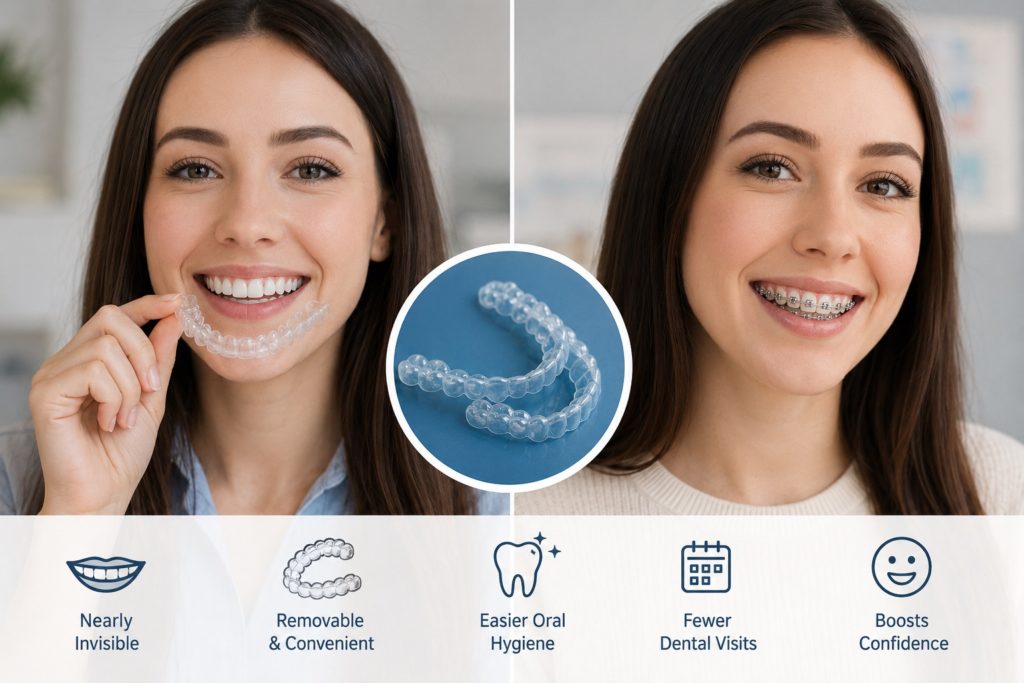
One of the biggest reasons adults choose Invisalign is the subtle appearance. The aligners are made from transparent material, making them difficult to notice during conversations or meetings.

Many professionals feel more comfortable wearing clear aligners at work or social gatherings compared to metal braces. Adults who avoided orthodontic care in the past often feel more confident beginning treatment with a discreet option.

Greater Comfort During Treatment

Metal brackets and wires can sometimes irritate the cheeks and gums. Invisalign aligners are smooth and custom-made to fit each patient’s teeth, making them generally more comfortable to wear.

The aligners gradually shift teeth using controlled pressure. Patients usually experience less discomfort during adjustments compared to traditional braces. This makes treatment easier to manage while balancing work, family, and social commitments.

Easier Eating and Drinking

One of the most practical benefits of Invisalign is the ability to remove the aligners during meals. Traditional braces often come with restrictions on hard, sticky, or chewy foods due to the risk of damaging brackets and wires.

With Invisalign, adults can continue enjoying many of their favourite foods. Removing the aligners before eating also makes dining out much simpler and more enjoyable.

Improved Oral Hygiene

Maintaining oral hygiene is easier with removable aligners. Brushing and flossing can continue as normal, reducing the likelihood of plaque buildup around brackets and wires.

Good oral hygiene is essential throughout any orthodontic process. Healthy gums and clean teeth contribute to better overall treatment outcomes and long-term oral health. Regular appointments involving general dentistry also support patients during their Invisalign journey.

Shorter and More Convenient Appointments

Many adults appreciate the convenience of shorter dental visits. Invisalign check-ups are usually quick and involve monitoring progress and providing the next set of aligners.

Traditional braces often require wire tightening and bracket adjustments, which may take longer and sometimes cause discomfort afterwards. Invisalign offers a simpler experience for many patients with busy schedules.

Suitable for Modern Lifestyles

Modern lifestyles often involve meetings, presentations, events, and social interaction. Invisalign allows adults to continue their routines with minimal interruption.

The flexibility of removable aligners also benefits people who play sports or musical instruments. There are fewer concerns about injuries or interference with daily activities compared to fixed braces.

Digital Technology Makes Treatment More Precise

Dental technology has advanced significantly in recent years. Invisalign treatment uses digital scans and advanced software to create customised treatment plans.

Patients can often view a digital preview of how their smile may look after treatment. This technology improves precision and helps patients feel more confident about the process.

An experienced orthodontist can use these digital tools to carefully map out tooth movement and monitor progress throughout treatment.

Fewer Food Restrictions

Adults often enjoy the freedom that comes with Invisalign treatment. Traditional braces may require avoiding foods like popcorn, nuts, chewing gum, or crusty bread.

Invisalign aligners are removed before meals, allowing patients to continue eating a wide variety of foods. This flexibility makes treatment more appealing for adults who frequently dine out or attend social events.

A More Natural Appearance in Photos

Social media, professional networking, and regular photography have made appearance more important for many adults. Clear aligners provide a more natural appearance in photos compared to visible metal braces.

Many patients appreciate being able to smile confidently during treatment without feeling self-conscious about brackets and wires.

Better Confidence During Treatment

Confidence often improves when patients feel comfortable with their orthodontic solution. Invisalign allows adults to straighten their teeth discreetly while continuing their normal routines.

Feeling more confident throughout treatment can positively influence social interactions, work environments, and self-esteem. Many adults see orthodontic care as both a health investment and a personal confidence boost.

Reduced Risk of Emergency Repairs

Traditional braces sometimes require urgent visits due to broken wires or loose brackets. Invisalign aligners are durable and generally involve fewer emergency issues.

Although any dental concern should be addressed promptly, patients often experience fewer unexpected disruptions during Invisalign treatment. Support from an emergency dentist remains important if discomfort or accidental damage occurs.

Effective for Many Orthodontic Concerns

Invisalign technology has improved greatly over the years. Many cases involving crowding, spacing, overbites, underbites, and crossbites can now be treated successfully using clear aligners.

Not every patient is suited to Invisalign, but many adults are excellent candidates. A professional assessment helps determine the most appropriate treatment approach based on alignment needs and lifestyle goals.

Better Gum Health During Treatment

Straight teeth are easier to clean and maintain. Crowded or overlapping teeth can trap food particles and bacteria, increasing the risk of gum disease.

Because Invisalign aligners are removable, patients can continue proper brushing and flossing habits throughout treatment. Healthier gums support long-term oral stability and overall wellbeing.

Invisalign and Cosmetic Improvements

Many adults combine orthodontic treatment with cosmetic dental care to achieve a complete smile transformation. Once teeth are properly aligned, additional treatments may further enhance appearance.

Professional teeth whitening is often considered after Invisalign treatment to brighten the smile evenly across newly aligned teeth.

A Positive Option for Adults Who Missed Orthodontics Earlier

Many adults did not have access to orthodontic treatment during childhood or adolescence. Invisalign offers an opportunity to improve alignment later in life without the appearance of traditional braces.

Some adults avoided treatment for years due to concerns about visible metal brackets. Clear aligners provide a more appealing alternative that suits mature lifestyles and professional environments.

Oral Health Benefits Beyond Appearance

Straightening teeth is not only about cosmetic improvement. Proper alignment can reduce uneven wear, improve chewing efficiency, and lower strain on the jaw.

Crowded teeth may also increase the risk of decay due to difficult cleaning areas. In severe cases, untreated dental problems could eventually lead to procedures such as a root canal treatment.

Improving alignment supports both appearance and long-term oral health.

Invisalign for Parents and Busy Families

Many adults balancing careers and family responsibilities appreciate the convenience of Invisalign. Fewer appointments and easier hygiene routines simplify treatment management.

Parents often begin orthodontic treatment after bringing their children for appointments with a Kids dentist, realising that modern orthodontic solutions are now more flexible and discreet for adults as well.

Confidence in Professional and Social Settings

Workplaces in 2026 continue to place emphasis on communication and presentation. Many adults feel more comfortable speaking publicly or attending meetings while wearing nearly invisible aligners.

The subtle appearance of Invisalign helps patients maintain a polished and professional image throughout treatment.

Why Melbourne Adults Continue Choosing Invisalign

The demand for Invisalign continues growing across Melbourne because it fits naturally into modern life. Adults value convenience, aesthetics, comfort, and flexibility when making decisions about dental care.

Advancements in technology have made Invisalign more effective than ever before, allowing more patients to achieve straighter smiles without traditional braces.

At Greenwood Plenty Dental Care, personalised treatment planning helps patients understand their options and choose a solution suited to their needs and goals.

Invisalign has transformed the way adults approach orthodontic treatment in Melbourne. Clear aligners offer a discreet, comfortable, and flexible alternative to braces while supporting long-term oral health and confidence.

Modern treatment methods continue to make smile improvement more accessible for adults with busy lifestyles. From professional environments to social settings, Invisalign provides a practical solution that fits comfortably into everyday life.

Anyone considering orthodontic care can benefit from a professional consultation to explore suitable treatment options and understand the path towards a healthier, straighter smile.

Book your Invisalign consultation with Greenwood Plenty Dental Care today and discover a more comfortable way to achieve a straighter smile. Call (03) 9466 7843 to arrange your appointment and take the first step towards confident, healthier teeth.

How Regular Dental Checkups Can Prevent Serious Oral Health Issues

Maintaining a healthy smile isn’t just about brushing and flossing every day it’s also about regular visits to your dentist. Dental checkups are crucial in identifying potential oral health issues before they become serious problems. While brushing and flossing can go a long way in preventing cavities, regular checkups allow your dentist in Bundoora to catch early signs of issues that might otherwise go unnoticed. In this blog, we will explore the importance of regular dental checkups, the problems they can help prevent, and how they contribute to your overall health.

If you’re wondering whether you need to see a dentist near me, this guide will explain why regular checkups are an essential part of your long-term oral care.

dentist checking the teeth

Early Detection of Cavities and Tooth Decay

Tooth decay is one of the most common dental issues that people face, but it doesn’t always present symptoms in its early stages. Small cavities may not cause pain initially, but they can worsen over time, leading to more severe damage. During your regular dental checkup, your dentist will use advanced tools, including X-rays, to detect cavities that are not visible to the naked eye.

Catching tooth decay early ensures that treatment, such as a simple filling, can prevent further damage. Left untreated, cavities can lead to more serious issues like root infections, abscesses, or even tooth loss, requiring much more expensive and invasive treatments like dental implants.

Preventing Gum Disease

Gum disease, or periodontal disease, is another oral health issue that often starts without noticeable symptoms. Early stages, known as gingivitis, can cause red, swollen gums that may bleed while brushing. If left untreated, gingivitis can progress into more severe periodontitis, leading to gum recession, tooth mobility, and even tooth loss.

A professional dental checkup allows your dentist to examine your gums for signs of inflammation or infection. Regular cleanings at your checkup can also remove plaque and tartar build-up, reducing the risk of developing gum disease. By addressing gum disease in its early stages, you can avoid serious complications like tooth loss and preserve your smile for the long term.

Identifying Oral Cancer Early

Oral cancer is often diagnosed in the later stages when it’s more difficult to treat. However, regular dental checkups offer a valuable opportunity for early detection. During your visit, your dentist will conduct a thorough examination of your mouth, throat, and lymph nodes to identify any unusual lumps, lesions, or other symptoms of oral cancer.

Catching oral cancer early can dramatically increase the chances of successful treatment. If your dentist notices anything concerning, they can refer you to a specialist for further testing and early intervention, which can make all the difference in the outcome.

Preventing Bad Breath and Tooth Sensitivity

Bad breath (halitosis) and tooth sensitivity are two common issues that people often ignore or brush off as minor inconveniences. However, these symptoms can sometimes indicate more significant underlying problems, such as gum disease, cavities, or an infected tooth. Regular dental checkups help to identify and treat the root cause of these issues.

Your dentist will check for signs of gum disease or other conditions that could be causing bad breath or sensitivity. In some cases, professional cleaning and treatments can resolve the issue, allowing you to enjoy better oral comfort and hygiene.

Overall Health Benefits of Regular Dental Checkups

Your oral health is closely linked to your overall health. Studies have shown that gum disease and oral infections can contribute to other serious health conditions, such as heart disease, diabetes, and respiratory issues. By keeping your mouth healthy, you’re not only protecting your teeth and gums but also your overall well-being.

During your checkup, your dentist may ask questions about your lifestyle, diet, and health conditions that could impact your oral health. This can lead to helpful advice and recommendations on how to improve both your oral and overall health.

The Importance of Professional Cleanings

Even with diligent brushing and flossing, there are areas of your teeth and gums that can be difficult to reach. Professional dental cleanings are a key part of your regular checkup and are essential for maintaining optimal oral health.

Professional cleanings remove plaque and tartar that build up over time and cannot be removed by brushing alone. This helps prevent tooth decay, gum disease, and even bad breath. Regular cleanings also give your dentist a chance to assess your oral health more accurately and intervene before minor issues become major problems.

When Should You Schedule Your Next Checkup?

Most dentists recommend visiting every six months for a checkup, but some people may require more frequent visits based on their oral health needs. If you have a history of gum disease, cavities, or other dental issues, your dentist may suggest more regular visits to keep your smile in top shape.

Your dentist will let you know when to schedule your next appointment, based on your oral health history and the results of your current exam. Don’t wait until you’re experiencing pain or discomfort—regular checkups are key to keeping your smile healthy and strong.

Don’t wait for a dental issue to become a problem. Regular dental checkups are essential for maintaining your oral health and preventing serious issues down the road. If you’re looking for a trusted dentist in Bundoora, contact Greenwood Plenty Dental Care today. Our experienced team is here to provide you with top-quality care and help you keep your smile healthy for years to come. Call us at (03) 9466 7843 to book your appointment and experience exceptional dental care that keeps your mouth and body healthy.

5 Key Questions to Ask Your Dentist About Treatments

Visiting a dental clinic in Bundoora is a great opportunity to take control of your oral health. However, it can be easy to feel overwhelmed, especially when discussing treatment options. Asking the right questions is crucial to making informed decisions that align with your needs and preferences. In today’s blog, we recommend these 5 essential questions to ask your dentist in Bundoora about any recommended treatment. Trust us, asking these would help make oral health appointments useful and informative.

1.What is the problem, and why is this treatment necessary?

Finding out the underlying cause of your dental problem is crucial. Ask your dentist to explain the problem clearly, including the potential risks of delaying treatment. For example, if you’re experiencing pain in a tooth, ask for a detailed explanation of the cause. Is it a cavity, a cracked tooth, or gum disease? Get to know the source of the problem to help understand the necessity of treatment.

2.What are my treatment options, and what are the benefits and drawbacks of each?

Whether there’s a single solution or several options, it’s vital to understand the full scope of your choices. Ask your dentist to outline all possible treatment approaches, highlighting the advantages and disadvantages of each option, including potential costs, recovery time, and long-term implications. For instance, if you have a cracked tooth, you will be given orthodontic treatment options like a filling, a crown, or even an extraction.

3.What are the risks and potential complications associated with this treatment?

Every procedure carries some level of risk. Ask your dentist to explain the potential complications, including infection, pain, and sensitivity. What are the chances of needing a second procedure? Or could I experience any long-term side effects? Knowing the potential risks will help you prepare for the treatment and understand the recovery process.

4.How long will the treatment take, and what can I expect during recovery?

Know the timeline for the procedure and the recovery process. Ask about any necessary restrictions or follow-up appointments. For example, if you’re root canal treatment or getting a dental implant, ask about the number of appointments, the healing time, and any dietary or activity restrictions. Having a clear timeline will help you plan your schedule and manage potential inconveniences.

5.How can I maintain my oral health after the treatment?

Ask about the best practices for caring for your teeth and gums after the procedure. It could include specific brushing and flossing techniques, dietary recommendations, and follow-up appointments. For instance, after a filling, your dentist might recommend using a soft-bristled toothbrush or avoiding certain hard foods.

By being an active participant in your dental care, you’ll feel more confident to make decisions that prioritise your oral health. Aside from regular checkups, we at Greenwood Plenty Dental Care also offer general dentistry, teeth whitening, root canals, broken tooth treatments, and much more. To schedule an appointment with us, call (03) 9466 7843 today.

How General Dentistry in Bundoora Can Keep Your Smile Healthy?

A healthy smile is essential to truly feeling your best. Maintaining such a healthy smile goes beyond daily brushing and flossing; it requires regular visits to a trusted dentist in Bundoora. At Greenwood Plenty Dental Care, we provide specialised general dentistry services to ensure that your oral health is in optimal condition. Whether you need routine check-ups, emergency dental services, or specialised dental treatments, our clinic is equipped to handle all your dental needs.

Comprehensive Dental Examinations

Regular dental exams are the cornerstone of preventive oral health care. During these visits, our skilled Bundoora dentists thoroughly check for signs of decay, gum disease, and other oral health issues. Early detection is essential to preventing complications and ensures that any problems are managed before they escalate.

Professional Cleaning

No matter how diligent you are with your home care, professional cleanings at our Bundoora dental clinic are essential. These cleanings remove plaque and tartar buildup that regular brushing and flossing can’t, helping to prevent periodontal disease and refresh your oral hygiene.

Preventive Measures

In addition to cleanings and exams, we offer a range of preventive services including dental sealants and fluoride treatments. These are especially beneficial for our younger patients, making our facility a go-to kids’ dentist in Bundoora. We also guide proper dental care routines that you can follow at home.

Specialised Treatments

For those requiring more specific treatments, such as root canal therapy for a broken tooth or orthodontic care like braces and Invisalign, our dental clinic in Bundoora is fully equipped. Our approach ensures that you receive the most effective treatment to restore and maintain your dental health.

At Greenwood Plenty Dental Care, we believe that general dentistry is fundamental to keeping your smile bright and healthy. With a comprehensive range of services from teeth whitening to emergency dental care, Invisalign, orthodontic treatments, root canals, dental treatments, and more,  our dental clinic stands ready to support every aspect of your oral health.

Trust our team to be your partner in maintaining a beautiful, healthy smile for years to come. Whether you’re seeking a routine check-up or need urgent care, contact us at (03) 9466 7843 today to see how we can help.

When Are Dental Crowns Required?

Sometimes, things happen leaving your tooth chipped, cracked, or weakened. That’s where dental crowns come in, acting like a guard to restore your tooth’s functionality and appearance. These dental crowns aren’t one-size-fits-all solutions. There are several scenarios where a crown might be your Bundoora dentist’s recommendation as they are a versatile solution for many dental issues.  At Greenwood Plenty Dental Care, the leading dental clinic in Bundoora has the most experienced dentists who utilise crowns to restore, protect, and enhance the functionality and appearance of teeth that are damaged or compromised. In today’s blog let’s find out when and why you might need a dental crown.

To Restore a Damaged Tooth

Crowns are often required when a tooth is deeply damaged or decayed and cannot be repaired with a filling alone. They cover the entire visible part of the tooth above the gum line, restoring its shape, size, and strength. This is especially useful for teeth that have undergone root canal treatment, which often need additional protection due to their weakened state.

To Enhance Dental Aesthetics

For teeth that are severely discoloured, disfigured, or out of alignment, dental crowns provide a cosmetic solution that can dramatically improve your smile’s appearance. Our dentists in Bundoora expertly match the crown to the color of your natural teeth, ensuring it blends seamlessly with the rest of your smile.

To Complete a Dental Implant

Dental crowns are an integral part of the dental implant process. After the implant has been placed in the jawbone and fused with the natural bone, a crown is attached to the top of the implant, providing a functional chewing surface and aesthetically pleasing appearance.

To Anchor a Dental Bridge

Crowns are also used to anchor dental bridges securely. The crowns are placed on the teeth adjacent to a gap, and these crowned teeth serve as supportive anchors for the bridge that holds the replacement teeth.

Whether you consider dental crowns, orthodontic treatments with braces, or Invisalign aligners, or if you need urgent care from an emergency dentist, Greenwood Plenty Dental Care is here to help. Our dentist team is dedicated to providing you with the highest quality dental care, ensuring that your crowns are perfectly suited to your dental needs and aesthetic preferences.

If you suspect you might need a crown or want to improve your smile, contact us at (03) 9466 7843 to explore your options. Check out our range of dental crowns and bridges, dental veneers, dentures (chrome/acrylic) checkups, scale, and clean tooth (restorations) teeth whitening services to our patients in Melbourne. We offer a wide range of dental treatments in Bundoora and its nearby suburbs such as Macleod, Greensborough, Kingsbury, Reservoir, Rosanna, and more across northern Melbourne.

What Is A Narrow Palate and Its Impact on Speech?

Have you ever wondered why some people have trouble saying certain sounds? It might not be their tongue-twister skills –it could be a narrow palate! A narrow palate is a surprisingly common condition where the roof of your mouth is narrower than usual. This minor difference can have a big impact on your speech. At Greenwood Plenty Dental Care, we aim to bring you insights into less-discussed but crucial aspects of oral health, such as the implications of a narrow palate on speech. Our team, including highly skilled dentists in Bundoora, is dedicated to addressing a wide range of dental concerns, from general dentistry to specialised treatments.

What is a Narrow Palate?

A narrow palate is medically termed as a maxillary constriction, refers to a condition where the roof of the mouth is narrower than usual. This structural anomaly can affect dental alignment and has potential implications for oral functions, including speech.

How Does a Narrow Palate Affect Speech?

The shape and size of the palate play a significant role in how we produce sounds. A narrow palate can lead to difficulties in articulating certain sounds, resulting in speech impediments.

Speech production mainly relies on precise movements of the tongue against the palate to articulate different sounds. When the palate is narrow, the tongue may not have enough space to move freely and make the necessary contacts for clear pronunciation. This can lead to several speech difficulties, including:

Lisping: The “s” sound often becomes distorted, taking on a whistling or slurring quality.

Articulation issues: Sounds like “t,” “d,” “k,” and “g” may be difficult to pronounce clearly due to limited tongue placement options.

Nasalised speech: Airflow may escape through the nose due to an improper seal between the tongue and palate, giving speech a muffled or congested sound.

Treatment and Management

Fortunately, with advancements in orthodontic treatment, including interventions available, a narrow palate can be addressed effectively. Treatments such as palatal expanders can gradually widen the palate, improving dental alignment and, subsequently, speech quality. Our Bundoora dentist and orthodontic specialists are adept at diagnosing and managing such conditions, ensuring tailored treatment plans for every patient.

A narrow palate is more than just a dental anomaly; it’s a condition that can significantly impact speech and overall quality of life. At Greenwood Plenty Dental Care, we believe in a holistic approach to dental health, understanding the intricate ways oral health affects daily living. Our comprehensive dental care ranges from general dentistry to specialised treatments like dental treatments for kids, orthodontics, Invisalign, and emergency dentists who ensure that every patient achieves not only a beautiful smile but also optimal oral functionality. If you’re experiencing speech difficulties or have concerns about your palate, our team is here to help.

To schedule an appointment with our dental clinic in Bundoora, call us at (03) 9466 7843 today.

Are Teeth Whitening Treatments Safe?

If you’re considering teeth whitening, it’s always best to consult with a dentist in Bundoora first. They can advise you on the safest and most effective way to whiten your teeth. In the quest for a brighter smile, teeth whitening treatments have surged in popularity. However, safety concerns naturally arise when considering any cosmetic dental procedure. At Greenwood Plenty Dental Care, a leading dental clinic in Bundoora, we prioritise patient education. Here’s what you need to know about the safety of teeth whitening treatments.

Understanding Teeth Whitening

Teeth whitening is a cosmetic dental procedure aimed at removing stains and enhancing the brightness of your teeth. Various methods, including professional treatments offered by your Bundoora dentist and over-the-counter products, can achieve this goal. But, how safe are these

treatments?

Professional Whitening

When performed by a qualified dentist in Bundoora, professional teeth whitening are considered safe. We use high-quality products and tailor treatments to each patient’s unique needs, minimising the risk of side effects such as gum irritation or tooth sensitivity.

At-Home Treatments: Proceed with Caution

While over-the-counter whitening kits offer convenience, they lack the personalised approach of a Bundoora dentist. Without professional guidance, there’s a higher risk of misuse, leading to potential gum damage or uneven whitening. It’s always recommended to consult with a dentist before beginning any at-home whitening regimen.

Long-Term Safety and Care

Maintaining the results of your whitening treatment involves proper dental hygiene and regular check-ups at your dental clinic in Bundoora. While teeth whitening is safe for most individuals, long-term safety hinges on using approved products and following your dentist’s advice.

Teeth whitening treatments can be a safe and effective way to enhance your smile, provided they are conducted under the supervision of a qualified dentist. At Greenwood Plenty Dental Care, your safety is our priority.

Whether you’re considering professional whitening or teeth cleaning, Invisalign, or any other orthodontic treatments, we’re here to guide you toward the safest and most effective choices. To consult with one of our dentists, feel free to schedule an appointment with Greenwood Plenty Dental Care. We offer a wide range of dental treatments in Bundoora, and its nearby suburbs including Macleod, Greensborough, Kingsbury, Reservoir, Rosanna, and more across northern Melbourne. For appointments, call us on (03) 9466 7843 today.

Things To Know While Getting Braces

Are you planning to straighten your teeth? Braces can help the teeth feel better and can fix the alignment without costing much. At Greenwood Plenty Dental Care, our experienced team, including the renowned dentist in Bundoora, is committed to offering comprehensive dental treatments ranging from general dentistry to specialised treatments like dental implants, endodontics, and orthodontic treatment. Getting braces is a significant step towards achieving a perfect smile and optimal oral health. Here are some crucial aspects to consider when starting on this journey.

Understanding Orthodontic Treatment

Orthodontic treatment, more commonly known as braces, is a method used to correct misaligned teeth and jaw problems. At our dental clinic in Bundoora, we provide personalised treatment plans that address individual needs, whether it’s for you or dental treatments for kids. It’s essential to have a thorough consultation with a Bundoora dentist to discuss your goals and understand the process, duration, and type of braces that will be most effective for you.

The Right Age for Braces

There’s a common misconception that braces are only for children or teenagers. However, dental treatments, including orthodontic treatment, are suitable for patients of all ages. Early consultations for dental treatments for kids can help identify potential issues that may require intervention, but adults can also benefit significantly from braces, thanks to advances in dental technology like clear aligners.

Types of Braces

With innovations in dental care, there are now various types of braces available, including traditional metal braces, ceramic braces, and invisible aligners. Each type has its benefits and suitability depending on the patient’s needs and lifestyle. Discussing with your dentist in Bundoora will help determine the best option for you.

Post-Braces Care

After completing your orthodontic treatment, it’s crucial to follow post-care instructions to maintain the results. This may include wearing retainers and continuing regular visits to your dentist for check-ups and general dentistry needs.

Getting braces is a transformative journey that not only improves the aesthetic appearance of your smile but also enhances oral health. At Greenwood Plenty Dental Care, we are dedicated to guiding our patients through each step of their orthodontic treatment with the expertise of our Bundoora dentist team. Whether you’re considering dental implants, endodontics, or braces, we’re here to provide the highest standard of care. Contact us today to start your journey to a beautiful, healthy smile. We offer a wide range of dental treatments in Bundoora, and its nearby suburbs including Macleod, Greensborough, Kingsbury, Reservoir, Rosanna and more across northern Melbourne.

Getting Braces As An Adult – Things You Need To Know

The journey of getting braces as an adult can be a significant decision. The one that often comes with questions and a touch of self-consciousness. However, it’s essential to understand that orthodontic treatment has no age limit. You can correct your smile with the help of a dentist whenever you want. In this blog, we’ll explore the unique experience of getting braces as an adult and why it’s a decision worth considering. As your trusted Bundoora dentist with a state-of-the-art dental clinic in Bundoora, we’re here to guide you through this transformative process with our team of experienced dentists.

The Decision to Get Braces

Understanding the Need

Adults pursue orthodontic treatment for various reasons. While some may have missed out on braces during their youth, others may have experienced relapse after previous treatment. Common issues that prompt adults to look for braces include crooked teeth, misalignment, bite problems, and the desire for a more confident smile.

Improved Options

One advantage of getting braces as an adult is the availability of advanced orthodontic technologies. Modern braces are more discreet, comfortable, and efficient. Options like clear aligners provide a virtually invisible way to straighten teeth, making the journey more appealing for adults.

The Experience

Initial Consultation

The journey begins with an initial consultation with your Bundoora dentist. They will assess your oral health, discuss your goals, and recommend the most suitable orthodontic treatment plan. Here, they diagnose your oral health condition to address concerns and help you learn more about the process.

Adjustment Period

Adjusting to life with braces may take some time. You may experience temporary discomfort or soreness as your teeth begin to shift. However, with consistent care and periodic adjustments by an experienced dentist near you, the discomfort gradually diminishes, and you’ll start to notice the transformation.

Getting braces as an adult is a decision that can lead to not only a more attractive smile but also improved oral health and overall well-being. With the support of reliable dental clinics like ours in Bundoora and experienced dentists who understand the unique needs of adult patients, you can embark on this transformative journey with confidence. Don’t let age hold you back from achieving the smile you’ve always wanted.

Contact our dental clinic in Bundoora for a consultation and take the first step toward a healthier and more beautiful smile. For appointments, call Greenwood Plenty Dental Care at (03) 9466 7843 today.